Should My Child Learn Coding If They Don’t Want to Work in IT?
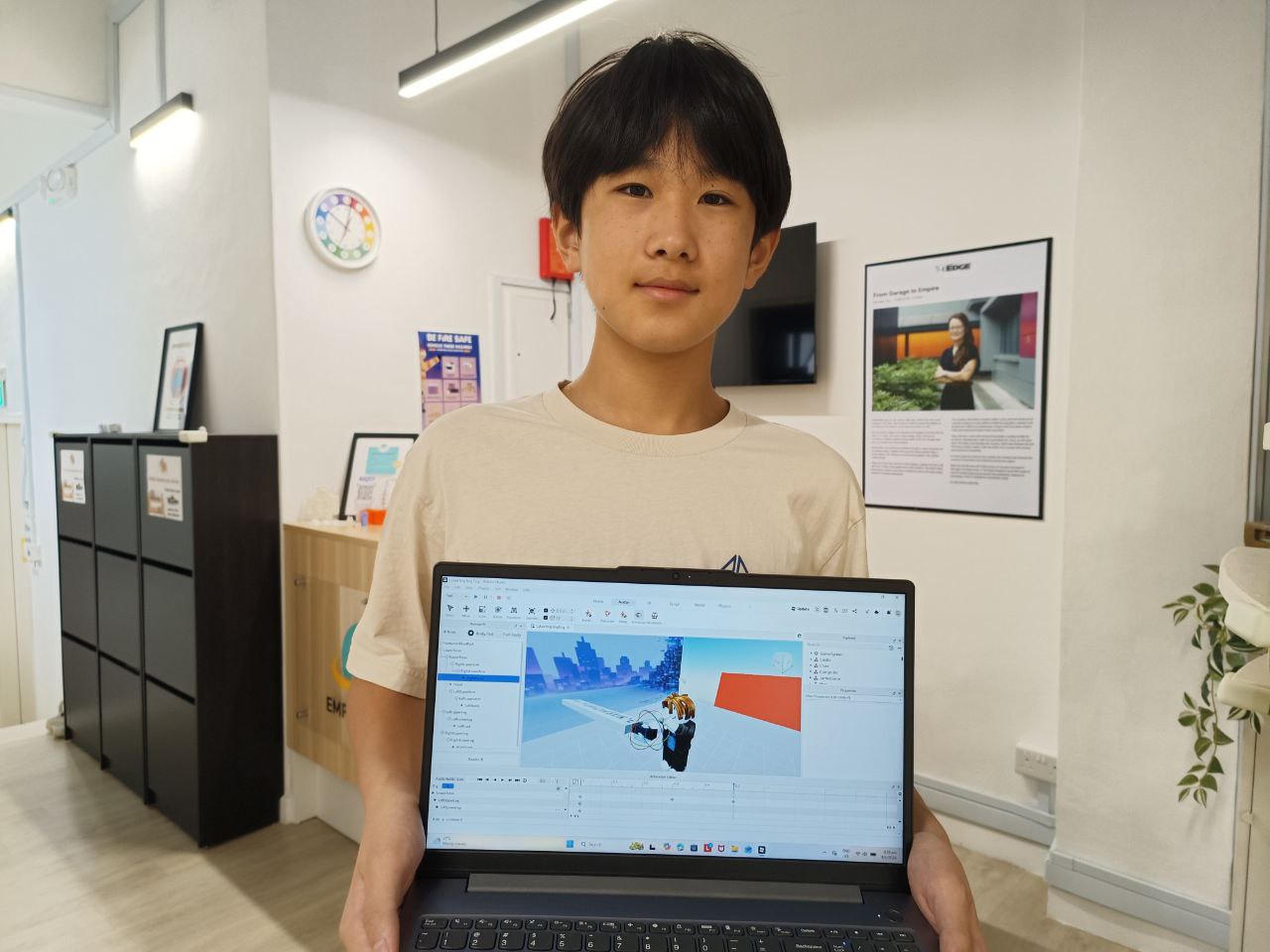
If you’re a parent in Singapore, chances are you’ve seen advertisements for coding classes everywhere from social media to enrichment centres in malls. Perhaps your friend’s child is already learning Python at age seven or your child’s school has recently introduced a coding club or robotics programme.
Naturally many parents start to wonder:
Does my child really need coding classes especially if they don’t plan to work in technology?
Maybe your child loves animals, art, cooking music or storytelling more than computers. That’s completely normal. Not every child dreams of becoming a software engineer or game developer.
But here’s the real question:
Is coding only useful for future programmers or does it offer broader life skills that benefit every child?
In today’s digital economy learning to code is no longer just about IT careers.
Coding education helps children in Singapore develop essential skills such as logical thinking, problem solving, creativity and resilience. These skills are valuable whether your child grows up to be a doctor, artist, entrepreneur, educator or business leader.
Modern coding programmes for kids now focus on building confidence in computational thinking and digital literacy, not just writing lines of code.
Through hands-on projects children learn how to break down problems, test solutions, collaborate with others and think systematically.
So instead of asking “Will my child become a programmer?” a better question is:
“Will coding help my child think better, learn faster and adapt to the future?”
For many families in Singapore the answer is increasingly yes.
What Does Coding Really Teach Children?
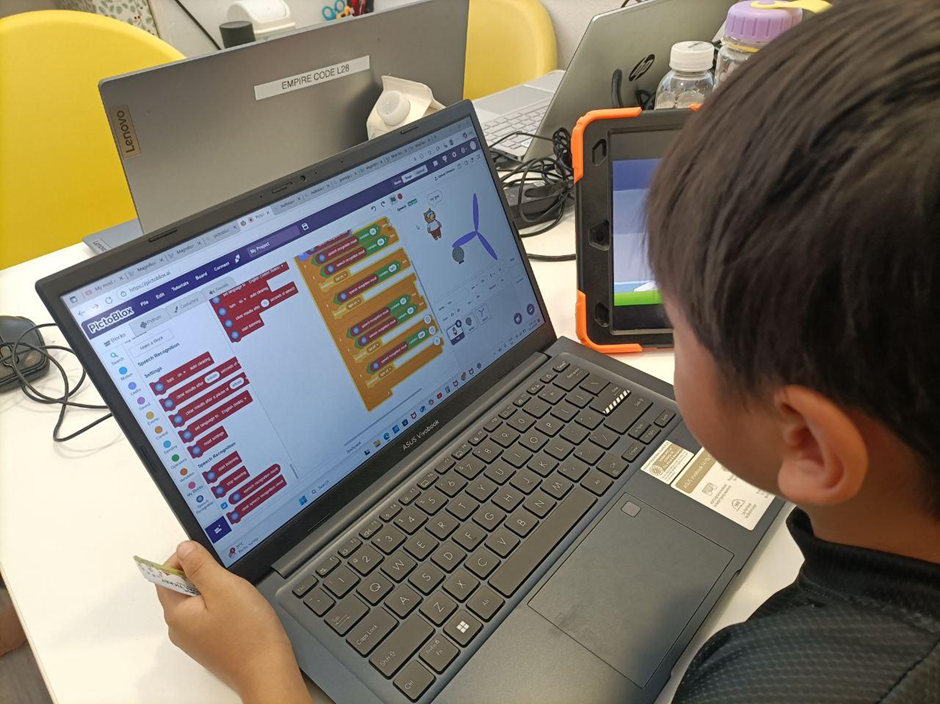
Many parents in Singapore ask:
● “Is coding really necessary for my child?”
● “Will learning coding help beyond school?”
● “Is coding only useful if my child wants to work in IT?”
To answer these questions, it’s important to first understand what coding truly teaches — beyond just learning how to use a computer.
Understanding What Coding Really Teaches
A developer once shared a story about fixing a wobbly chair with his son.
Instead of explaining tools and techniques, he let his son experiment by taking the chair apart and putting it back together repeatedly. Through trial and error, the child learned how the parts worked.
This mirrors how children learn coding.
The goal isn’t memorising commands.
It is about developing curiosity and understanding how systems function.
Another useful comparison is learning pottery.
Even if you never become a potter, the experience helps you appreciate craftsmanship and understand the creative process.
Similarly, coding builds digital literacy, helping children understand the technology surrounding them every day.
The true value of learning coding lies in helping children:
● Think independently
● Experiment confidently
● Understand complex systems
● Develop problem-solving habits
These skills stay with them for life.
What Coding Teaches Children (When Done Properly)
When coding education focuses on thinking rather than copying, children gain skills that extend far beyond computers.
A well-designed coding programme helps children develop:
1. Problem-Solving Skills
Children learn how to break complex problems into manageable parts and tackle challenges step by step.
2. Resilience and Learning from Mistakes
They learn that mistakes are part of discovery and improvement, not something to fear.
3. Critical Thinking About Technology
Instead of blindly consuming apps, games, and media, children begin to question how technology works.
4. Quality and Improvement Mindset
Children learn the difference between something that is merely “working” and something that is “working well”, encouraging refinement and better thinking.
5. Patience and Persistence
Coding teaches that solutions often require multiple attempts and sustained effort.
In a world where:
● AI can fake voices
● Apps track personal data
● Misinformation spreads through algorithms
Basic coding knowledge makes children more digitally aware and harder to manipulate.
They learn how to navigate technology thoughtfully, safely, and responsibly.
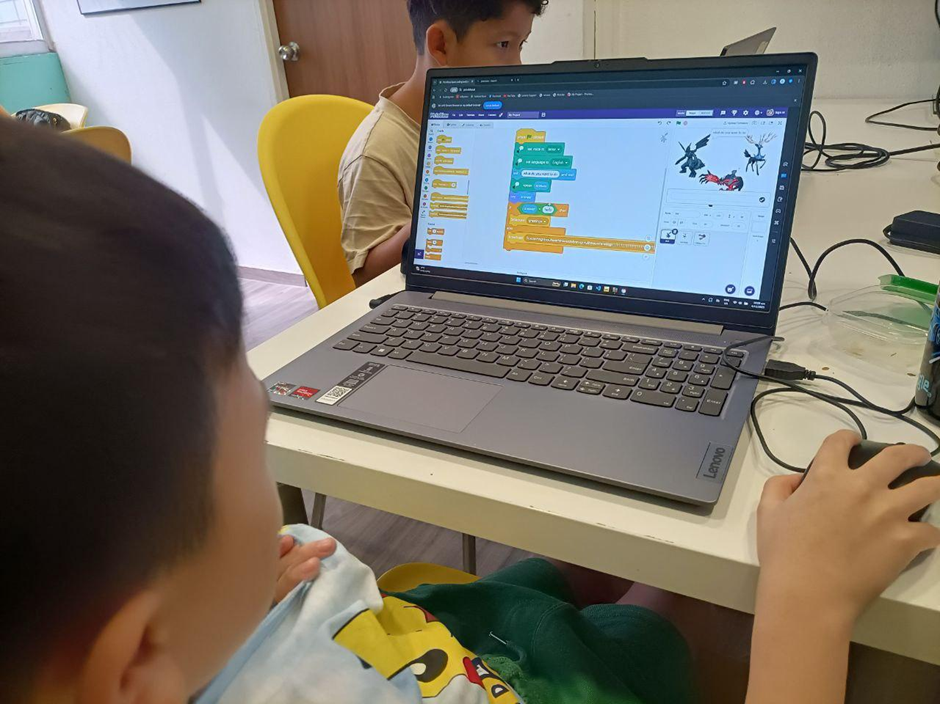
How Coding Is Used in Modern Careers Today
Coding is no longer limited to software engineers or tech companies.
Today, many industries rely on computational thinking and programming tools.
Examples include:
Biology and Medicine
Programming is used to analyse DNA, develop treatments, and manage medical data.
Journalism and Media
Data analysis helps journalists uncover investigative stories and verify information.
Music, Art, and Creative Industries
Artists and musicians increasingly use digital tools, algorithms, and generative design.
Architecture and Engineering
Simulations, automation, and modelling rely heavily on coding.
Environmental Science and Urban Planning
Computational models help predict climate patterns and design sustainable cities.
Nearly every discipline now has a growing digital component.
Basic coding knowledge simply expands your child’s future options.
How Parents Can Choose the Right Coding Programme
Like any skill, how coding is taught matters greatly.
Not all coding classes produce the same learning outcomes.
Parents in Singapore should look for programmes that:
Encourage Creation, Not Copying
Children should be building their own games, stories, and applications — not just following templates.
Teach Thinking, Not Just Syntax
Good programmes focus on logic, sequencing, and reasoning, not just typing commands.
Connect to Children’s Interests
Whether your child loves games, animation, art, or science, coding projects should reflect their passions.
Support Balanced Development
Coding should complement sports, arts, reading, and free play — not replace them.
Respect Each Child’s Learning Pace
Children should be allowed to explore coding without pressure or unhealthy competition.
Coding should support curiosity, confidence, and joy in learning.
The Bottom Line: Should Your Child Learn Coding?
So, should your child learn coding even if they don’t plan to work in IT?
In many ways, yes — but not because every child must become a programmer.
When taught properly, coding helps children:
● Understand how the digital world works
● Approach problems logically
● Think creatively and systematically
● Develop emotional resilience
● Build confidence with technology
Whether your child becomes an artist, doctor, entrepreneur, scientist, or educator, these skills remain valuable.
Today, coding is less about job preparation and more about helping children grow into:
● Independent thinkers
● Responsible digital citizens
● Confident problem-solvers
● Adaptable learners
In a rapidly changing world, these qualities matter more than ever.
Register for a Free Trial Coding or Robotics Lesson
Empire Code offers trial coding and robotics classes for children aged 4 to 16, taught by MOE-registered and carefully selected educators who support early and primary learners with clarity, structure and genuine care. Please complete the form below and our team will be in touch with you shortly.




