CERTIFICATIONS
Badges and CertificationsPARENTS ACCOUNT
Parents PortalCALENDAR
Annual Closure DatesLEGO Robotics Classes for Kids: What Children Really Learn and Why It Matters to You as a Parent
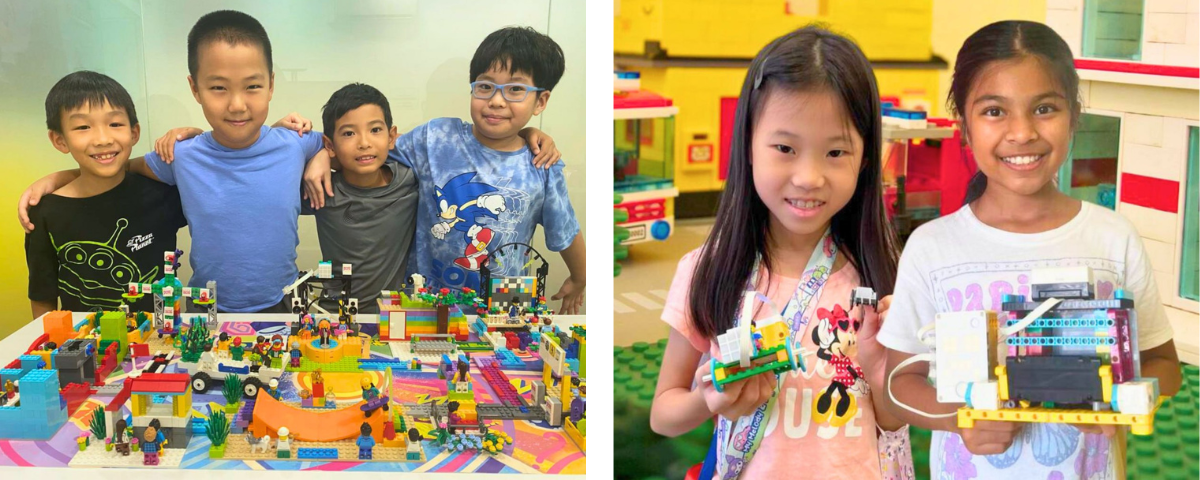
If your child can sit for long stretches building with LEGO at home, you’ve probably wondered whether that interest could be developed into something more structured.
Many parents ask themselves:
“My child loves LEGO… but is this just play, or is there a way to help them learn from it?”
Children still work with familiar bricks, but they are guided to think, test, improve and understand how things work.
Robotics with LEGO sits right in that space.
Children still work with familiar bricks, but they are guided to think, test, improve and understand how things work
Research shows that LEGO-based robotics, when taught with intention, can strengthen problem solving, resilience, creativity and computational thinking.
This article is written for parents who:
● see their child happily building at home
● are exploring terms like “LEGO robotics” or “SPIKE Essentials” for the first time
● want to understand the difference between home play and an actual robotics class
Let’s break it down simply and clearly.
What You Already See at Home When Your Child Plays with LEGO
During free play, children often show:
● strong focus when they build
● stories and ideas flowing from imagination
● attempts to fix or improve models on their own
● pride in explaining how something works
Studies describe this kind of building as a design-based way for children to develop confidence as makers and problem solvers.
Home play already provides a powerful foundation.
So the question for many parents is: How does LEGO robotics add educational value beyond the play my child already enjoys at home?
What Changes When LEGO Becomes Robotics in Class
In class, children still build with bricks they recognise, but every activity has purpose and progression.
A typical lesson involves:
● a simple real-world problem to solve
● guided building with motors and sensors
● block-based coding
● testing and observing what happens
● noticing what needs improvement
● adjusting their build or code works
Educational robotics research shows this cycle of building, testing and improving builds deeper problem solving, reasoning and perseverance.
For the child, it still feels like play.
For the parent, it develops important thinking habits.
What Is LEGO SPIKE in Simple Terms?
LEGO Education SPIKE bring together:
● LEGO bricks
● motors and sensors
● a programmable hub
● a child-friendly coding app
Empire Code’s LEGO SPIKE Essentials curriculum is designed around early computational thinking. Lessons
help children:
● understand step-by-step instructions
● break bigger tasks into smaller parts
● test ideas and adjust them
● debug simple errors
● use loops
● refine their designs
It strengthens the thinking behind building, not just the act of building.
How Old Can My Child Start Robotics?
Research shows that children as young as 4 to 5 years old can benefit from age-appropriate robotics activities, as long as lessons remain simple, visual and hands-on.
Here’s a simple guide for parents:
Ages 4–6 (Pre-primary)
● understand step-by-step instructions
● Best for early robotics and beginner SPIKE Essential tasks
● Focus is on simple builds and understanding basic cause-and-effect
● Coding uses picture-based or visual blocks
● Sessions are short and exploratory
Ages 7–9 (Early Primary)
● understand step-by-step instructions
● Ready for more structured robotics with SPIKE Essentials
● Able to understand loops, sensors and simple conditions
● Can explain their thinking and test ideas more independently
Ages 10 and above
● Suitable for more advanced robotics concepts
● Able to handle multi-step programming and mechanical design
● Ready for SPIKE Prime and competition-style tasks
If your child already enjoys LEGO at home, robotics usually feels natural rather than overwhelming.
Specific LEGO Robotics Classes Offered at Empire Code
Below is the clear pathway available through Empire Code.
LEGO SPIKE Essentials Levels 1 & 2
Level:
Beginners
Focus:
Robotics
Recommended for: Ages 4–9
Children learn:
● basic robotics and simple mechanisms
● early automation concepts
● visual block-based programming
● hands-on problem solving through testing and improvement
Each creation comes alive with motors and sensors, helping children connect their ideas to real outcomes.
LEGO SPIKE Prime Levels 1 & 2
Level:
Advanced
Focus:
Robotics
Recommended for: Ages 9 and above
Older learners explore:
● engineering principles
● multi-step programming
● using sensors for accuracy
● structured design thinking
● practical problem solving
SPIKE Prime prepares them well for higher-level robotics and STEM pathways.
The Difference Between Playing at Home and Learning in Class
A simple way to think about it:
LEGO at home
● no specific learning goals
● models change based on the child’s mood
● trial and error without structured reflection
● excellent for imagination
Robotics in class
● each lesson builds a specific skill
● children explain and refine their ideas
● coding is introduced clearly
● perseverance is guided, not left to chance
● there is a clear learning pathway
Studies show structured robotics builds logical reasoning, problem solving and engagement more consistently than free play alone.
Home play sets the stage.
Classroom learning develops the skills behind it.
What Parents New to Robotics Usually Want to Know
“Will it be stressful?”
With the right curriculum, robotics should feel guided and encouraging. Children learn by seeing immediate results in their robot’s movement.
“Is this real learning or just fun?”
Children learn through fun. But when they test, adjust and improve, they practise important thinking habits.
“How do I know if the class is good?”
Look for:
● calm, clear teaching
● questions that prompt thinking
● time for children to adjust their builds
● whether your child stays engaged
● how setbacks are handled
Parents do not need technical knowledge to see these signs.
How Robotics with LEGO Supports Skills Beyond the Classroom
Studies highlight consistent benefits:
● stronger problem solving
● computational thinking
● resilience when facing difficulty
● collaboration and communication
● creativity and inventiveness
● confidence in taking on new challenges
A child who sees a robot move because of something they built and coded gains a strong sense of capability.
That’s also why structured robotics programmes often lead naturally into competitions.
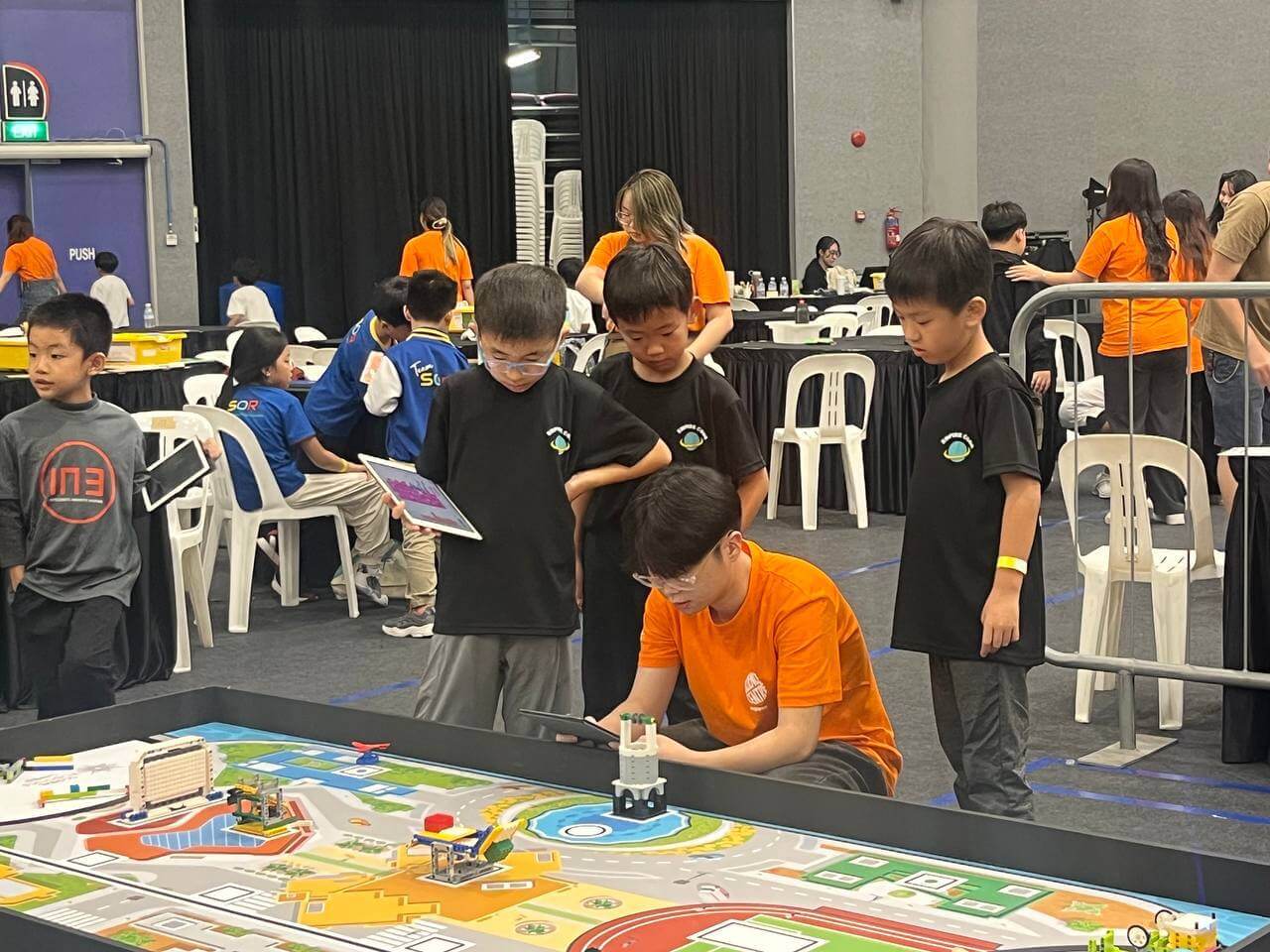
These events give children the chance to apply what they’ve learned to real challenges in a supportive, team-based environment.
Through guided preparation, children develop soft skills like collaboration, presentation confidence and clear communication – abilities that stay with them far beyond coding.
At Empire Code, students are also given opportunities to participate in established national competitions
such as:
●
National Robotics Competition (NRC)
●
FIRST LEGO League Challenge Singapore
●
FIRST LEGO League Explore Singapore
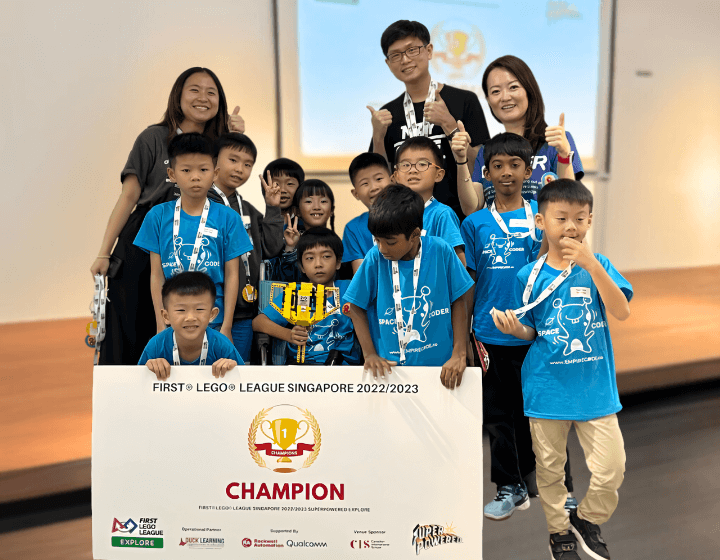
These platforms allow children to turn classroom learning into something bigger such as solving problems with teammates, sharing ideas clearly, and experiencing the pride of seeing their work recognised.
Where Empire Code Fits In
Empire Code offers LEGO SPIKE Essentials and SPIKE Prime programmes for children aged 4 and above. Classes are held in small groups with experienced, MOE-registered instructors who guide children through building, coding, testing and improving.
A trial session helps parents see whether robotics suits their child’s learning style.
For many children who already enjoy building at home, it becomes a meaningful next step that strengthens thinking skills and confidence.
Register for a Free Trial Coding or Robotics Lesson
Empire Code offers trial sessions for children aged 4 to 16, taught by MOE registered, carefully selected educators who support early and primary learners with clarity, structure and genuine care. Please complete the form below and our team will be in touch with you shortly.
*By submitting the form, you agree to our Terms and Conditions